RECOMMENDED EQUIPMENT FOR PERFORMANCE TRAINING STUDIOS

POWER & STRENGTH TRAINING EQUIPMENT
Commercial power racks, Olympic barbells, weight plates, and strength training equipment help athletes develop explosive power, muscular strength, and functional performance through progressive resistance training.

SPEED & AGILITY TRAINING EQUIPMENT
Agility ladders, hurdles, cones, sleds, and resistance training tools support acceleration, coordination, reaction time, and directional changes essential for athletic performance and sport-specific conditioning.

CONDITIONING EQUIPMENT
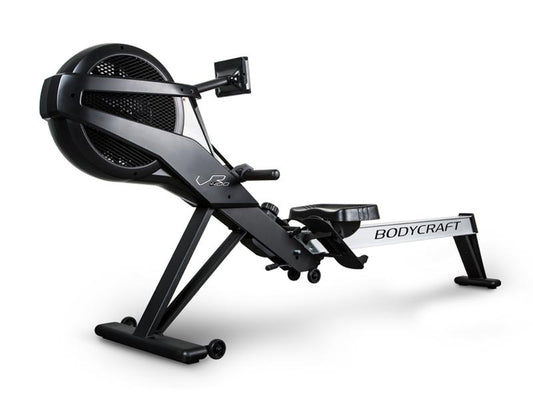
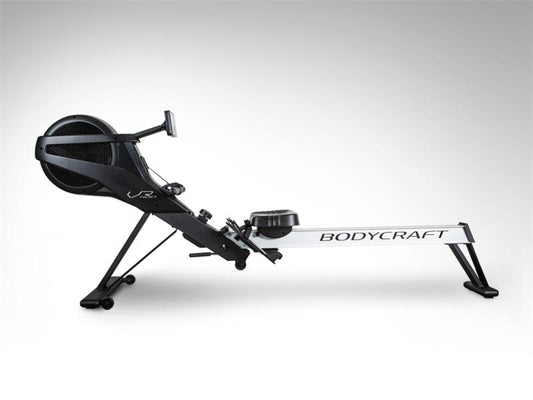
Air bikes, rowing machines, treadmills, and other commercial conditioning equipment help athletes improve cardiovascular endurance, anaerobic capacity, and overall work capacity through structured training programs.

RECOVERY & MOBILITY EQUIPMENT
Foam rollers, stretching stations, mobility tools, and recovery accessories help athletes maintain flexibility, improve movement quality, and support recovery between demanding training sessions.
HOW PERFORMANCE TRAINING STUDIOS CHOOSE COMMERCIAL FITNESS EQUIPMENT
Equipment selection should reflect the athletes and clients your studio serves. Facilities focused on competitive sports may prioritize power racks, Olympic lifting platforms, and agility equipment, while general athletic performance studios may benefit from versatile functional training systems and conditioning equipment.
Strength-focused studios need commercial-grade racks, barbells, weight plates, benches, and resistance training equipment capable of supporting progressive overload. Consider equipment weight capacities, adjustment options, safety features, and the number of athletes training simultaneously when selecting strength equipment.
Dedicated speed and agility areas support acceleration drills, lateral movement, sled training, and athletic coordination. Turf lanes, open floor space, hurdles, and resistance tools can create versatile training environments without requiring extensive machine-based equipment.
Conditioning equipment should align with training intensity, available space, and athlete needs. Air bikes and rowing machines offer versatile interval training options, while treadmills and other cardiovascular equipment support endurance development and structured conditioning programs.
Studios offering small-group or team training should select equipment that accommodates multiple athletes efficiently. Multiple training stations, accessible equipment storage, and flexible workout zones allow coaches to supervise sessions while minimizing congestion and unnecessary equipment transitions.


BodyCraft Commercial Half Rack
Light Commercial Warranty - for non-dues-paying facilities where equipment use is generally up to Five (5) hours per day.
- Frame: 10 Years
- Parts: 5 Years
If you are building or upgrading your facility, contact us and we will generate a custom quote based on your specific needs. Fill our quote request form orcall us at 1-800-895-4181.
COMPLETE THE SET


View entire look

Troy Barbell VTX Wall Ball Package - 8lb to 50lb with Ball Rack
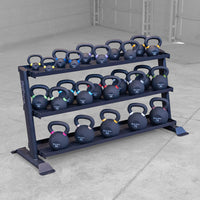
Powder Coat Kettlebells
-
Subtotal$2,024.00


View entire look
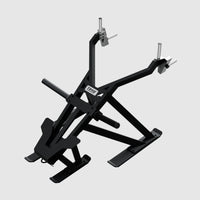
TROY PRO FORCE SLED
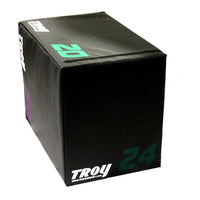
Troy Barbell Soft Foam Plyo Box (20, 24, 30)
-
Subtotal$1,911.00



View entire look
Renegade Air Bike Unlimited Mag
Bodycraft VR400 Pro Rower
-
Subtotal$4,374.00
PERFORMANCE TRAINING STUDIO EQUIPMENT FAQS
What equipment is essential for a performance training studio?
What equipment is essential for a performance training studio?
Essential performance training equipment typically includes power racks, Olympic barbells, weight plates, adjustable benches, kettlebells, medicine balls, and conditioning machines. Many studios also incorporate agility equipment, sleds, turf lanes, and recovery tools. The ideal combination depends on athlete demographics, training programs, available space, and whether the facility emphasizes strength, speed, conditioning, or comprehensive athletic development.
How much does it cost to equip a performance training studio?
How much does it cost to equip a performance training studio?
Equipment budgets vary significantly based on facility size, equipment quality, and training specialization. As preliminary planning estimates, smaller studios may allocate $15,000 to $30,000, mid-sized facilities $30,000 to $75,000, and larger performance centers $75,000 or more. These illustrative ranges are not supplier quotes and may exclude installation, construction, and other facility expenses. Commercial flooring, equipment quantities, and specialized training systems can substantially influence total costs.
How much space is needed for a performance training studio?
How much space is needed for a performance training studio?
Smaller performance training studios may operate in approximately 1,000 to 2,000 square feet, while larger athletic performance facilities may require 3,000 to 5,000 square feet or more. Space requirements depend on equipment selection, training group sizes, and the amount of open floor area needed for movement drills. Facilities incorporating sprint lanes, sled training, or multiple lifting platforms generally require additional space.
What is the difference between a performance training studio and a traditional gym?
What is the difference between a performance training studio and a traditional gym?
Performance training studios typically emphasize athletic development, including strength, explosive power, speed, agility, conditioning, and movement efficiency. Traditional gyms often focus on general fitness through cardiovascular machines and conventional strength equipment. Performance facilities commonly prioritize open training areas, free weights, functional training tools, and specialized equipment that supports structured, coach-led athletic programs.
Why should performance training studios invest in commercial-grade equipment?
Why should performance training studios invest in commercial-grade equipment?
Commercial-grade fitness equipment is designed to accommodate frequent use, demanding training environments, and multiple users throughout the day. Compared with residential equipment, commercial products generally offer more robust construction, higher-duty components, and warranties intended for business environments. Selecting appropriate commercial equipment can help reduce maintenance disruptions, improve training reliability, and support long-term facility operations.