Recommended Equipment for Fire Station Gyms

COMMERCIAL CARDIO EQUIPMENT
Cardio training is essential for firefighter conditioning, endurance, and recovery. Fire station environments typically require equipment capable of supporting multiple users throughout the day with minimal downtime.

FUNCTIONAL STRENGTH EQUIPMENT
Functional strength training helps firefighters develop movement patterns directly related to job performance, including lifting, carrying, climbing, and dragging.

SELECTORIZED STRENGTH EQUIPMENT
Selectorized equipment provides structured resistance training for users with varying fitness levels and experience.

FLOORING AND FACILITY PROTECTION
Commercial gym flooring helps reduce noise, protect subfloors, improve safety, and extend equipment lifespan.
How Fire Stations Use Commercial Fitness Equipment
Firefighters often train during scheduled downtime between emergency calls. Equipment must support quick transitions between users and minimal setup time.
Departments increasingly prioritize job-specific conditioning programs focused on:
- Core strength
- Grip endurance
- Work capacity
- Stair climbing endurance
- Injury prevention
Functional rigs, sled systems, and free weights are commonly used for these programs.
Many stations have rotating crews using the same equipment throughout the day and overnight. Commercial-grade durability becomes essential in these environments.
Some departments include mobility tools, stretching areas, and low-impact cardio equipment to support injury recovery and long-term wellness initiatives.
GSA purchasing connects fire departments with reliable, vetted suppliers experienced in government sales. This ensures quality products and dependable service from start to finish.


Pro 6 Aspen StairMill
- MOVING PARTS: 1-Year from the date of purchase including pulleys, bushings, ball bearings are guaranteed against defects in materials and workmanship.
- CABLES & UPHOLSTERY: 90-days from the date of purchase. Old part must be submitted back to Muscle D Fitness at buyers expense for freight.
- FRAMES & WELDS: 10-years from the date of purchase.
If you are building or upgrading your facility, contact us and we will generate a custom quote based on yourspecific needs. Fill our quote request form orcall us at 1-800-895-4181.
COMPLETE THE SET

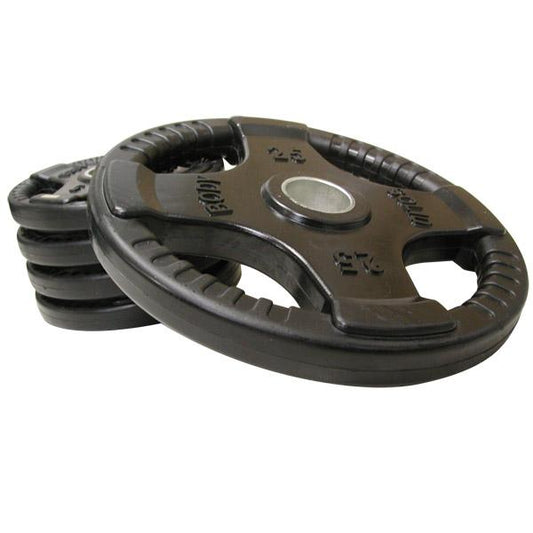
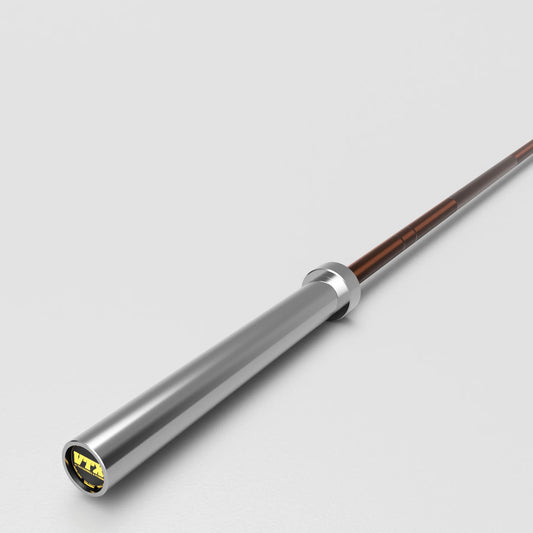
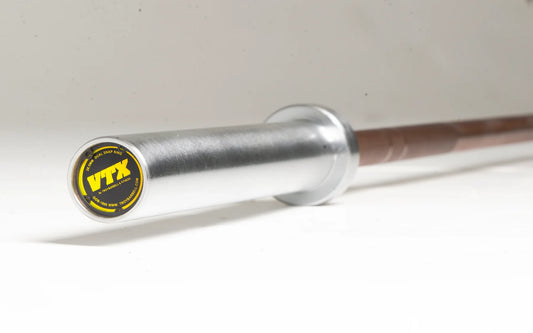

View entire look
Body-Solid Rubber Grip Plates
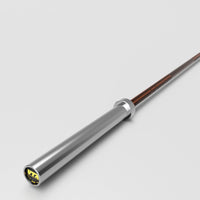
Troy Barbell VTX Olympic Mens Training Bar
-
Subtotal$432.00


View entire look
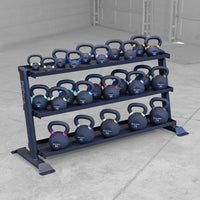
Powder Coat Kettlebells
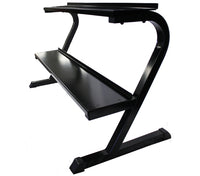
Troy Barbell VTX Kettlebell Rack
-
Subtotal$524.00
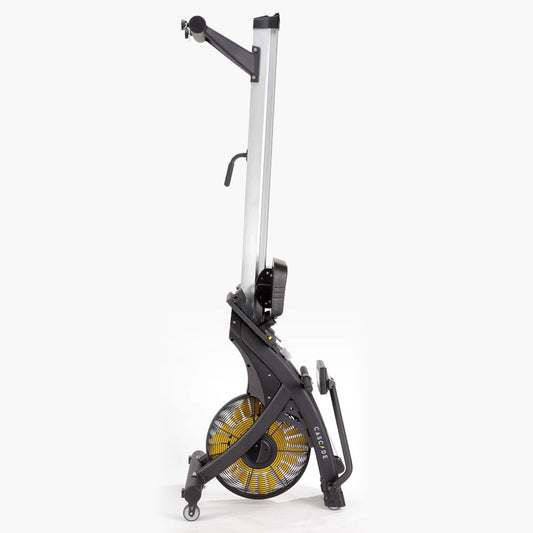
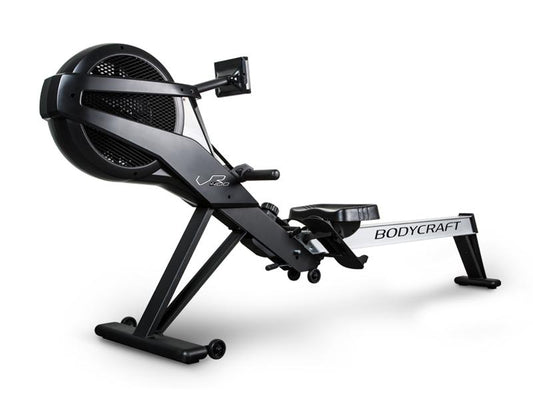
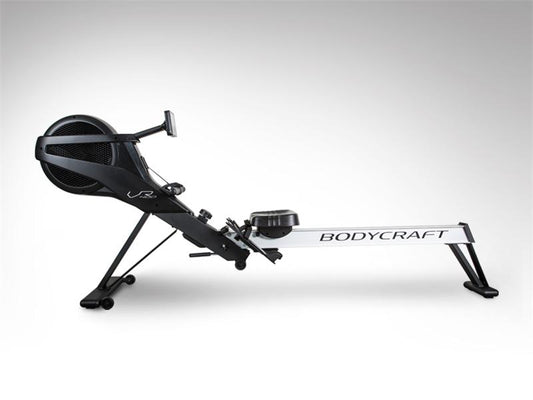

View entire look
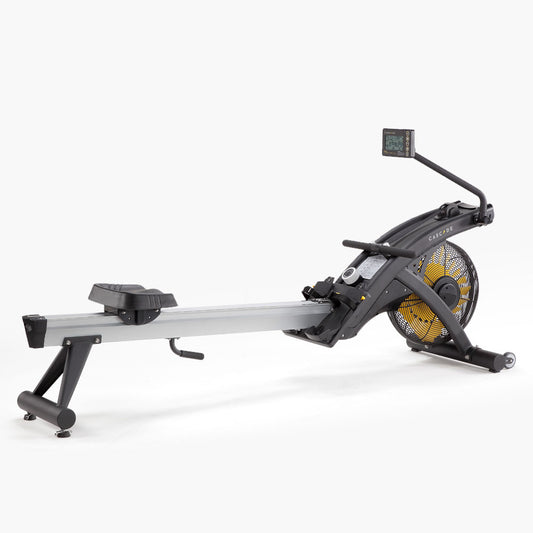
Renegade Air Rower Mag
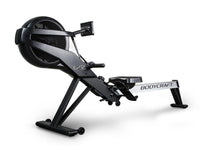
Bodycraft VR400 Pro Rower
-
Subtotal$4,094.00
Frequently Asked Questions about Firehouse Training Equipment
What type of gym equipment is best for fire stations?
What type of gym equipment is best for fire stations?
Commercial-grade cardio equipment, power racks, free weights, functional trainers, and durable flooring are among the most common choices because they support strength, conditioning, and endurance training for firefighters.
How much does a fire station gym cost?
How much does a fire station gym cost?
Most fire station gyms range from approximately $10,000 to $50,000+, depending on facility size, equipment quantity, and training goals.
Why is commercial-grade equipment important for firefighters?
Why is commercial-grade equipment important for firefighters?
Commercial equipment is designed for high-frequency use, heavier weight capacities, and longer operational lifespan in shared environments.
What is the best cardio equipment for firefighters?
What is the best cardio equipment for firefighters?
Rowers, stair climbers, treadmills, and air bikes are popular because they support cardiovascular conditioning and job-specific endurance training.
Can small fire stations build effective gyms?
Can small fire stations build effective gyms?
Yes. Compact rack systems, adjustable benches, dumbbells, and multifunctional cardio equipment allow smaller stations to maximize limited space.
What flooring is recommended for fire station gyms?
What flooring is recommended for fire station gyms?
Commercial rubber flooring is commonly recommended because it improves durability, reduces noise, and protects both equipment and subfloors.